About Antique Oak
The Oak was originally extremely slow growing in the cold climate, and that produced grain and figure, and a density very similar to Quercus Robur, or English Oak. For that and other reasons it has been specified for many period and historic restoration projects.
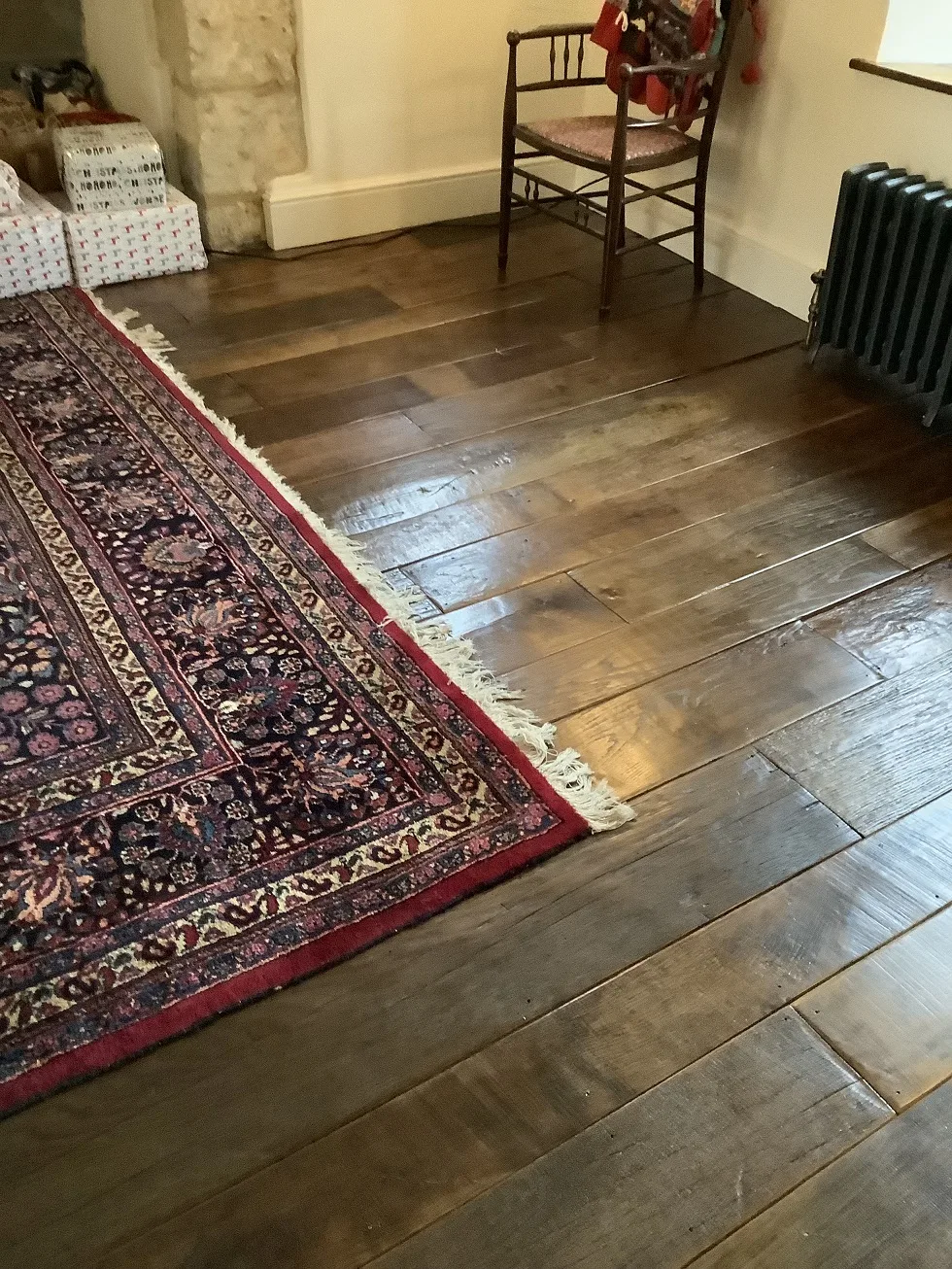
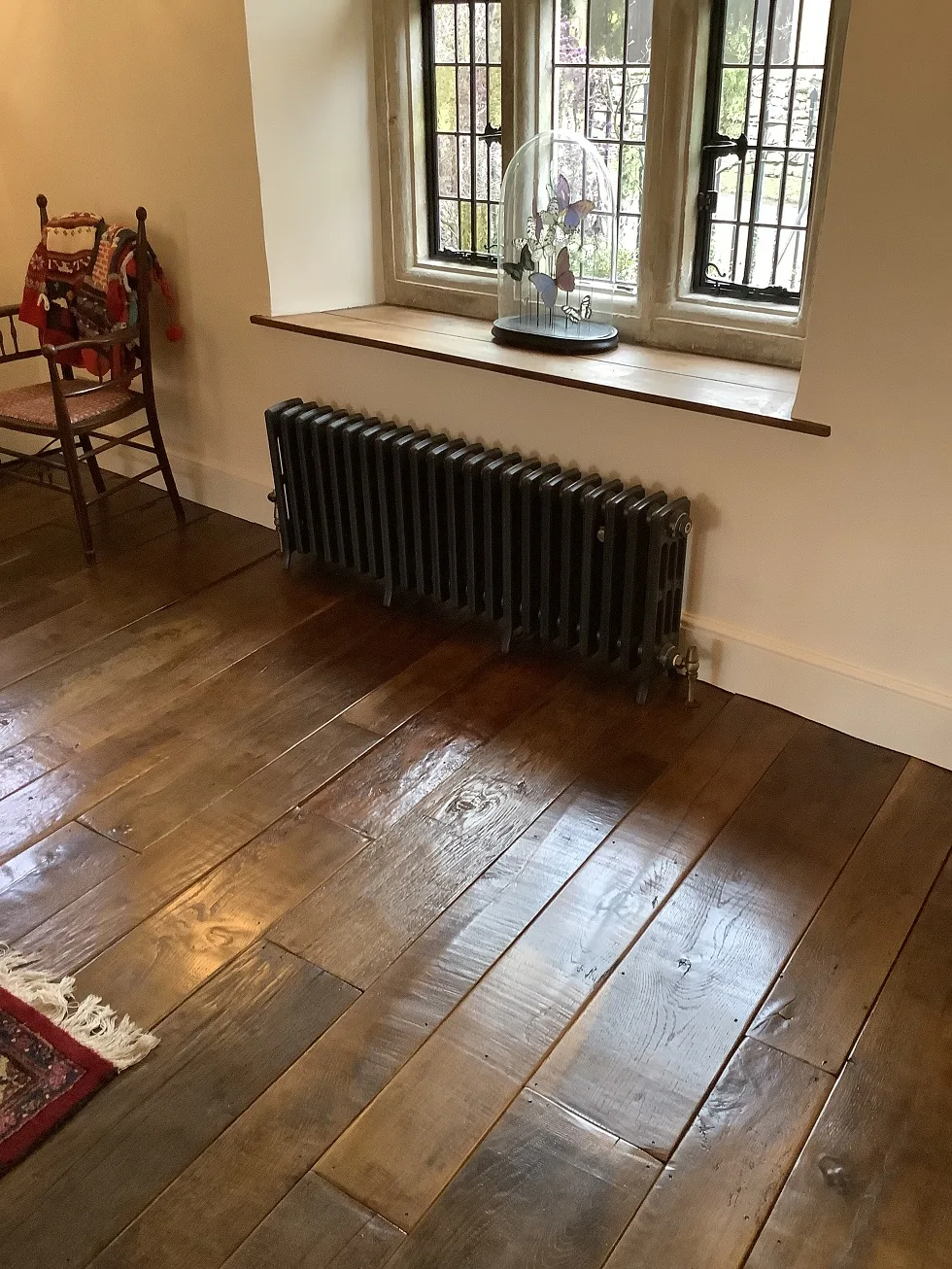
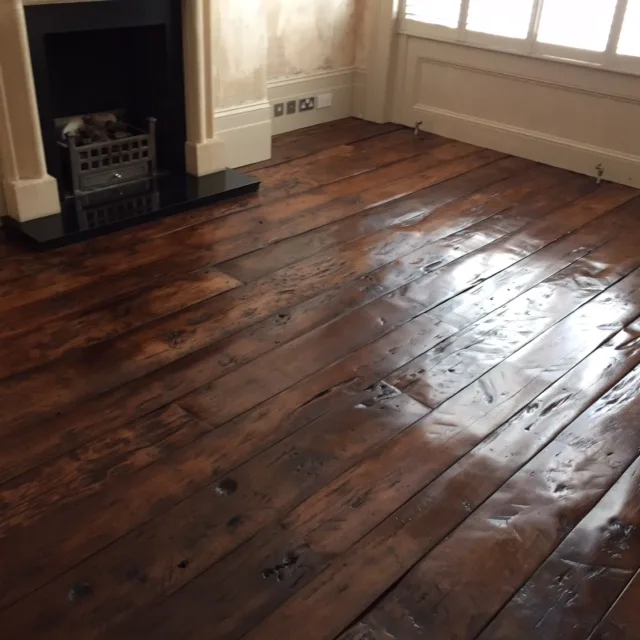
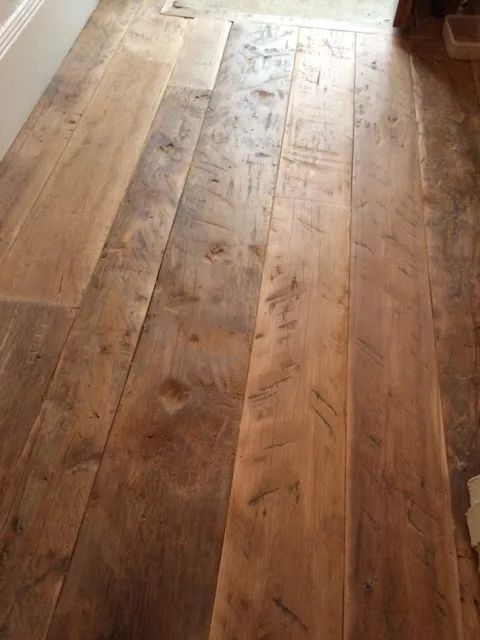
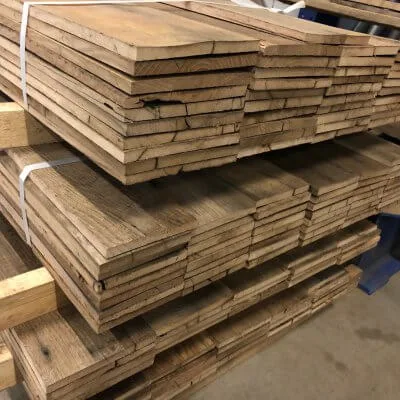
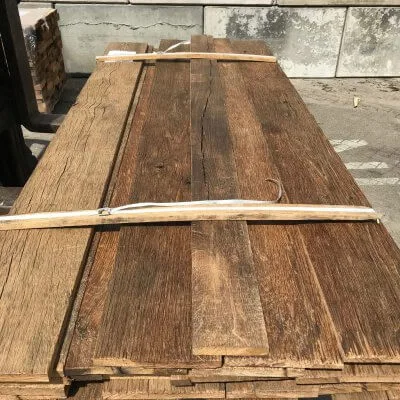
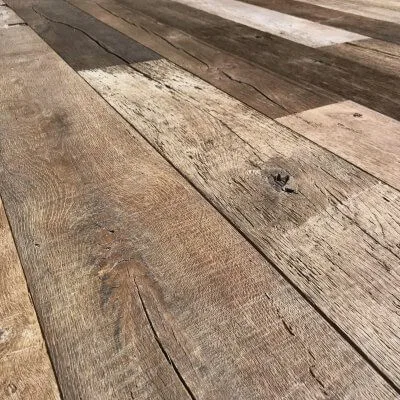
The boards are supplied in random lengths and random widths. During the initial processing, they are kiln dried, and machine the undersides and edges, although the old worn and weathered surfaces remain untouched. The surfaces are sympathetically restored as opposed to having a floor sander applied. The surfaces have peaks and troughs, and undulating levels, rise and fall cambers, cracks and shakes, nail holes, and odd bolt holes. These boards retain their original old weathered and worn surfaces, which we can then hand restore for you. The restoration includes repairs, patching, plugging and filling with specialist fillers, and then hand restoration through the grades to a 320 grit finish, which would allow you comfortably to walk across with bare feet.
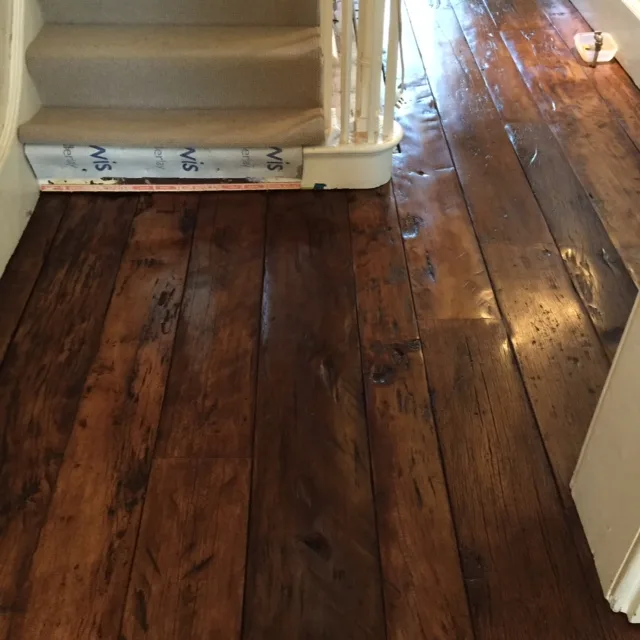
All the terrain, dips and troughs, shoulder run off, and natural undulations are retained within the process. The restored surface boards can then be fitted, and the finishing or polishing, of your choice, completed by your installer. This gives you control over the finished look of the floor, and with the multitude of different finishes, colours and lustres available, the end result you can achieve is almost infinitely variable.
Antique material of this kind can show previous signs of insect activity. It is widely accepted throughout the saw milling industry,
that the kiln drying process which reaches over 36 degrees deals with anything that may be live within the timber, and we have never had a problem, although we cannot offer that guarantee. If your project demands a phytosanitary certificate, for whatever reason, we suggest you contact a company licensed to handle the appropriate chemicals to offer a treatment. We recently had Kent Timber and Damp here to view some flooring for another client and they looked at the Canterbury oak at the time and said that the insect evidence was historic and not active as we assumed.
Cutting and installation wastages apply, and although it is not an exact equation, we suggest adding 15% on to your net requirements to accommodate all outcomes.
Although we hold the unrestored surfaced boards in stock, we only offer the surface restoration to order, and that is a labour-intensive process that takes time. We have a workshop schedule running ahead of us, so please allow sufficient lead time.
We have the unrestored surface boards on the shelf and ready to go. Please contact Andrew if you would like to go ahead.